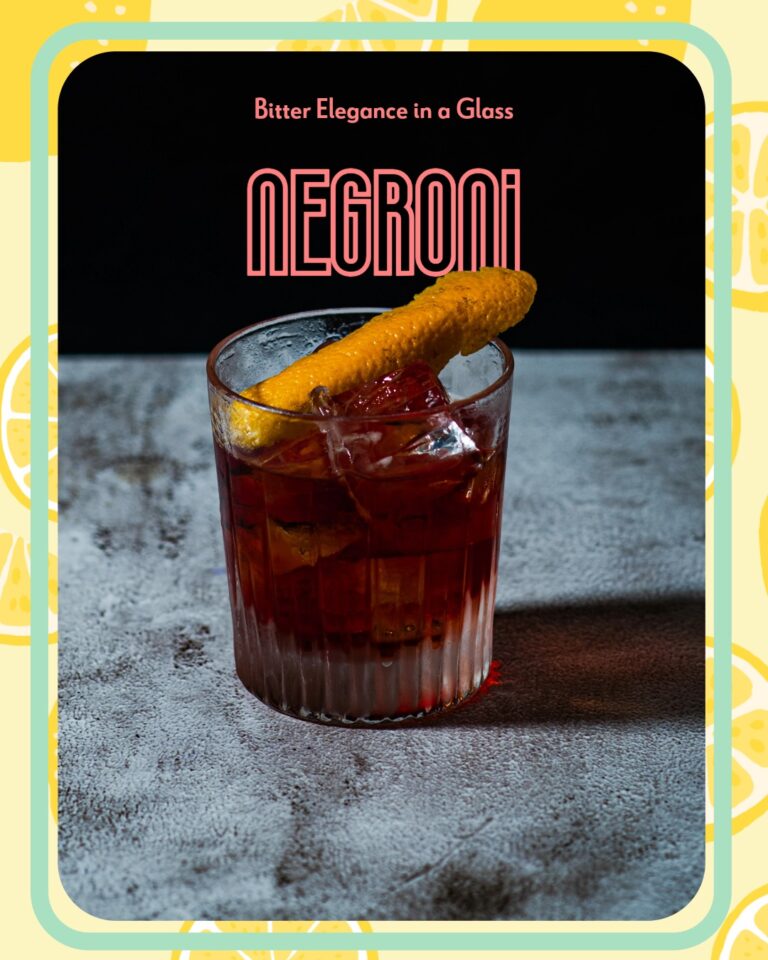
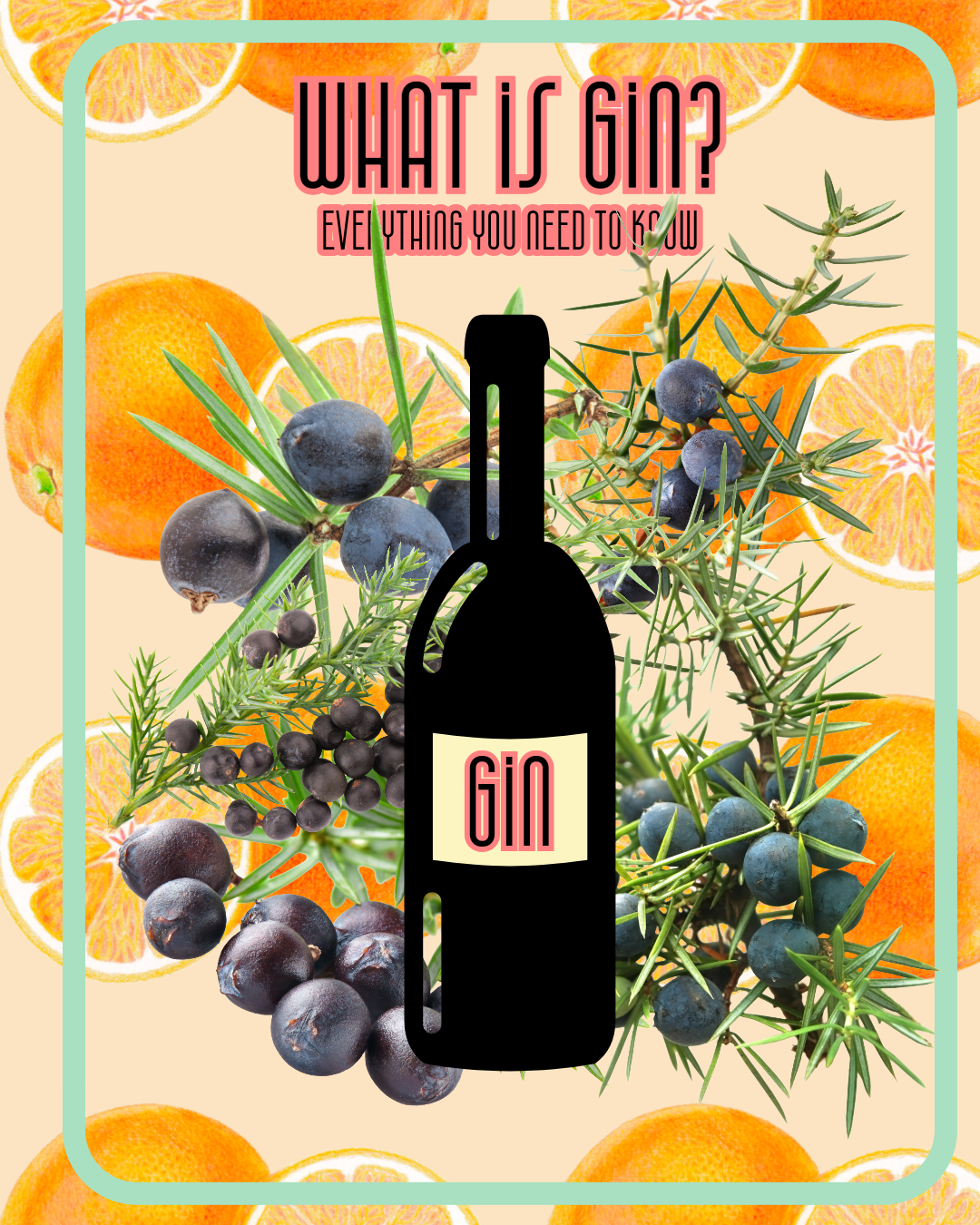
Gin is a very versatile spirit and and has experienced a real boom since the 2010s. Whether served in a refreshing Gin & Tonic, a crisp Dry Martini or a classic Negroni, its unmistakable character comes from one essential ingredient: juniper.
Today, gin is produced all over the world and has evolved into countless styles. While some gins focus on the traditional pine-like flavour of juniper, others highlight citrus, herbs, spices or floral botanicals. Despite this diversity, every gin has one thing in common: juniper must remain the dominant flavour.
If you’re just getting started with gin, this guide will give you a complete overview. Later, you can explore each topic in more detail through our other articles.
In a Glass
Category: aromated Spirit
Minimum ABV: 37.5%
Main Botanical: Juniper (Juniperus communis)
Typical Botanicals: Coriander, Angelica Root, Orris Root, Citrus Peel, Liquorice, Cardamom and many more.
What Makes Gin Different?
Unlike vodka, which is intentionally neutral, gin is defined by its botanical character. During production, neutral alcohol is flavoured with juniper berries and other botanicals. According to European regulations, juniper must remain the predominant flavour in every gin sold as gin.
This simple rule gives distillers enormous creative freedom, as we have seen in recent years. While every gin tastes recognisably like gin, no two bottles taste exactly alike.
How Is Gin Made?
Although every distillery has its own methods, the production process generally follows the same principles.
A neutral spirit is combined with carefully selected botanicals. Their flavours can be extracted by maceration, vapour infusion or a combination of both before the spirit is distilled.
The choice of botanicals, the still and the distillation process all influence the final flavour.
We’ll explore this topic in much greater detail in a dedicated article.
What Does Gin Taste Like?
Juniper is always the foundation, but the supporting botanicals create very different flavour profiles.
Juniper Forward
Classic London Dry Gins place juniper at the centre. Expect pine, fresh forest aromas a woody and herbal taste and a dry finish.
Citrus
Fresh lemon, orange, lime and grapefruit peels create bright, refreshing gins that work beautifully in a Gin & Tonic or other refreshing drinks.
Herbal
Rosemary, thyme, sage and other herbs add earthy freshness and complexity.
Floral
Lavender, elderflower, chamomile and rose petals create softer, elegant gins often associated with modern styles.
Spicy
Botanicals such as coriander, cassia, cardamom or pepper provide warmth and structure.
Types of Gin
Not every bottle labelled “gin” is the same.
Some of the most common categories include:
London Dry Gin
Distilled Gin
Old Tom Gin
Plymouth Gin
New Western Gin
Sloe Gin
Each style follows different production methods or flavour philosophies.
We’ll explore this topic in much greater detail in a dedicated article.
A Brief History
Gin traces its origins back to the Netherlands, where Genever was originally produced as a medicinal spirit during the 16th century.
English soldiers later brought Genever home, where it evolved into gin and became enormously popular. During the 18th century, uncontrolled production led to the infamous Gin Crazewhich was captured by the painter William Hogarth in the picture “Gin Lane”, eventually resulting in stricter regulations.
The invention of cleaner distillation techniques during the 19th century paved the way for London Dry Gin, while the modern craft distilling movement has introduced hundreds of innovative interpretations since the early 2000s.
We’ll explore this topic in much greater detail in a dedicated article.
How Do You Drink Gin?
One of gin’s greatest strengths is its versatility.
It can be enjoyed:
neat (although that is done rather rarely)
in a highball
or in a classic cocktail
Its wide range of botanical flavours makes it very versatile cocktail spirit.
How I Like to Drink Gin?
for the refreshment
Gin Tonic – easy to make easy to drink, one of the world’s most popular highballs.
Tom Collins – refreshing, best for hot days, an adults lemonade.
South Side – fresh mint, crisp acidity herbal notes from the gin, all you need.
for sipping
Dry Martini – A true classic. Spirit-forward, elegant and unapologetically boozy.
Last Word – a herbal cocktail with a balanced acidity
Army & Navy – Underestimated and, unfortunately, all too often forgotten.
Final Thoughts
Gin is often underestimated or dismissed as mere “juniper-flavoured vodka” or simply “juniper water.” Yet, behind every bottle lies a sophisticated blend of botanicals and the specific techniques used to process them.
Although gin has experienced an enormous boom since the early 2010s, it remains a smaller category than whisky, rum and vodka in many global markets. Nevertheless, the market for gin continues to grow.
Its approachability makes it a popular spirit with plenty of room for further growth.
If you’d like to learn more about gin, we are already working on upcoming articles that will allow you to dive even deeper into the subject.