Bourbon is American Whiskey, The mash bill must consist of at least 51% corn, and the bourbon must be stored in new charred barrels. Thanks to the corn and the new barrels, the flavor profile is completely different from that of other spirits within the whiskey category.
In the world of cocktails, it is hard to overlook bourbon these days; so many classics feature it as a key ingredient, and it has firmly re-established itself in bars and not merely as a “cocktail spirit.”
If you’re just getting started with bourbon, this guide will give you a complete overview. Later, you can explore each topic in more detail through our other articles.
In a Glass
Category: Whiskey
Minimum ABV: 40%
Ingredients/Mashbill: min. 51% Corn
Distillation proof: Max 80% ABV / 160 proof
Barrel entry proof: Max 62.5% ABV / 125 proof
Bottling proof: Minimum 40% ABV / 80 proof
Cask type: New, charred oak barrels
Aging: No minimum for bourbon; Straight Bourbon requires at least 2 years
What Makes Bourbon Different?
Bourbon is made from corn, which gives it a sweeter and rounder flavor profile than other spirits in this category. Due to a law enacted in the late 1930s, championed primarily by the lumber lobby, requiring bourbon to be aged in new barrels, the spirit acquires a distinct flavor profile from the fresh wood: notes of vanilla (from vanillin), coconut (from quercus-lactones), and caramel (from furan compounds). All of this makes bourbon difficult to compare with other whiskies, at least those originating outside the USA.
How Is Bourbon Made?
When discussing the production of bourbon, let’s start with the most obvious element: the mash bill. The mash bill is the grain mixture that serves as the base for the spirit. We always hear about the requirement for at least 51% corn, but what about the rest? Depending on the desired result, rye, wheat, and barley are added to the mix. Corn acts as the primary ingredient, providing fundamental sweetness; rye adds spice; wheat contributes a milder, softer character; and barley supplies enzymes that help convert starch into fermentable sugars.
Once the mash bill has been assembled—with some producers guarding it as a closely held secret while others are open and transparent, fully disclosing the recipe—the mixture is fermented into a “beer” with an alcohol content of approximately 7–10% ABV; depending on the distillery and the desired outcome, fermentation takes anywhere from 48 to 120 hours.
Next comes the distillation; the distillate must not exceed 80% ABV during the process in order to retain sufficient flavor in the product. Afterward, it can—and must—be diluted to a maximum of 62.5% ABV before being placed in a new oak barrel.
The barrels typically hold around 200 liters and are mostly made from American white oak; however, before being filled, they undergo a toasting or charring process. There are generally four charring levels, which are sometimes applied differently to the barrel heads and staves.
There is no minimum age requirement for bourbon, though it must have spent time inside a barrel. However, that rule alone would be too simple; there are additional regulations and practices regarding storage and aging. For “straight bourbon,” for example, the spirit must be aged for at least two years, and if it has been aged for less than four years, the exact age must be stated on the label.
We’ll explore this topic in much greater detail in a dedicated article.
What Does Bourbon Taste Like?
Despite strict and clear regulations, bourbon production still leaves room for variations in taste and style; here are a few examples.
But first, the classic flavor notes of bourbon.
Typical Bourbon profile:
Nose: Vanilla, Caramel, Honey, Toffee
Palate: Sweetish, Full-bodied, Smooth, Spicy
Finish: Oak, Spices, Vanilla, Caramel
High-corn bourbon
Tends to be sweeter and smoother.
High Rye
Tends to be spicier, edgier, and more robust.
Wheated Bourbon
Tends to be softer, rounder, and creamier
Types of Bourbon
Bourbon Whiskey Basic category:
USA
At least 51% corn
New charred oak
Maximum 80% ABV at distillation
Maximum 62.5% ABV at barrel entry.
Straight Bourbon Whiskey
Bourbon
Aged at least 2 years in new charred oak
Can consist of a blend of straight bourbons, provided they originate from the same state.
Single Barrel Whiskey
Bourbon is aged in 200-liter barrels, approximately 275 bottles.
When a single cask is deemed perfect, it’s bottled as a single-barrel whiskey.
Bottled-in-Bond (Historically very significant)
Bottled-in-Bond Act: 1897
Aged at least 4 years
Government-supervised warehouse
Bottled at 50% ABV
We’ll explore this topic in much greater detail in a dedicated article.
A Brief History
In the 18th century, European settlers brought the art of distillation to America. Genuine whiskey production emerged in regions such as Pennsylvania, Maryland, Virginia, and later Kentucky. Rye was the dominant grain initially, but it was gradually supplanted by corn, which thrived under local growing conditions.
By the early 19th century, Kentucky had established itself as the whiskey hub of the United States, and Bourbon production continued to evolve.
In 1897—35 years after Lincoln had introduced the spirits tax—the government intervened once more by implementing the “Bottled-in-Bond” regulation. This measure was designed to ensure Bourbon quality, protect consumers, and, of course, safeguard tax revenues.
Prohibition was in effect in the U.S. from 1920 to 1933. While many distilleries closed during this period, some were permitted to remain open and continue operations; however, the bourbon they produced could only be sold in pharmacies for medicinal purposes.
Following the end of Prohibition, Bourbon experienced a resurgence; thanks to its smooth, sweet, and well-rounded character—contrasting with styles like Rye—it rose to become the number one American whiskey.
We’ll explore this topic in much greater detail in a dedicated article.
How Do You Drink Bourbon?
Bourbon is most commonly enjoyed three ways:
neat
on the rocks
in a classic cocktail
How I Like to Drink Bourbon?
For Sipping:
I like enjoying bourbon simply neat.
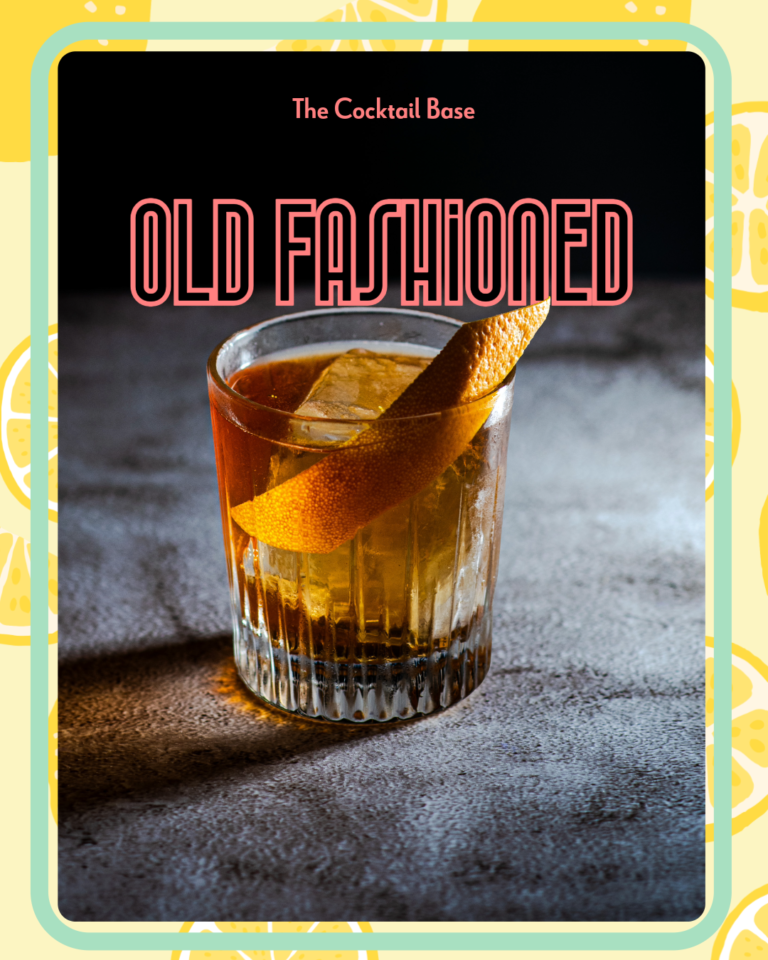
Old Fashioned – It’s probably one of the standard answers from bartenders, but the Old Fashioned is simply good, simple and good.
Hunter – A Classic Riff on an Old Fashioned with Cherrybrandy
For Refreshment:
Whiskey Smash – Clearly Mint Julep is a real Bourbon Classic but I like a bit of lemon to it to make it even more refreshing.
Gold Rush – For all Whiskey Sour lovers out there, give it a try and use Honey as sweetening agent
Final Thoughts
Bourbon has rightfully earned its place in the bar scene. Since the so-called “craft cocktail revolution” around 2010, when old books were pulled from the shelves and classic cocktails were rediscovered, bourbon has become an indispensable part of the landscape.