Rum has no single identity. It’s not bound by many guidelines.
Sugarcane used as molasses, fresh cane juice or cane syrup as base. That is about where the common ground ends. It is made all over the world, in dozens of countries, and the styles range from clean and light to funky, ester-heavy and almost wild.
If you’re just getting started with rum, this guide will give you a complete overview. Later, you can explore each topic in more detail through our other articles.
In a Glass
Category: Sugarcane Spirit
Country of origin: Produced worldwide
Minimum ABV: 37.5% in the EU, 40% in the USA
Aging: From unaged to several decades
Main Ingredient: Sugarcane, as molasses, fresh cane juice (vesou) or cane syrup
Regulations: EU Regulation 2019/787, US TTB standards, AOC Martinique for Rhum Agricole
What Makes Rum Different?
When we compare rum with other spirits, something in particular stands out.
Tequila has its Denominación de Origen, Bourbon needs to be aged in charred new oak barrels and we don’t have to talk about Cognac, and what’s about Rum? Well Rum has a lot of freedom. There’s no overarching protected origin and style besides it must be made from sugarcane. The only real exception is the AOC for Rhum Agricole on Martinique, probably the strictest rum appellation.
Everywhere else, local traditions are deciding how the Rum in the end smells and tastes. Wild or controlled fermentation, how long will the fermentation take, how will it be distilled and so forth.
These local traditions also make rum such a vast and diverse category.
Unfortunately for a lot of people, Rum is just a sweet, aged spirit which tastes like chocolate, butterscotch and vanilla.
Rum is so much more.
Maybe something to mention. Not every sugarcane spirit is called Rum.
For example we have Cachaça from Brazil and Clairin from Haiti both with its own definitions.
How Is Rum Made?
The history of using sugarcane as a source of sugar began around the 5th century BC in East Asia, which is also considered the plant’s place of origin. Sugarcane is a lot of water, about 75% depending on the conditions 10-15% of sugar, mostly Saccharose. It’s harvested once a year with a cut as close to the ground as possible, since the sugar concentration is highest at the bottom of the stalk. After that, the plant is left to grow again. For Example in India the useful life spans two harvests, in Thailand, three and in Brazil, by contrast, five harvests.
Once the cut was made the cane has to be processed within about 24 hours otherwise sugar is lost and bacteria begin to colonize it.
There are three possible raw materials:
Molasses
the thick, dark leftover of sugar production, used for the majority of the rums
Fresh cane juice
pressed and fermented right away, used for Rhum Agricole, Cachaça and Clairin
Cane Syrup or Cane Honey
partly reduced cane juice, used for example in Guatemala
The raw material is diluted with water. Some producers add yeast to the mix, others let the fermentation start with wild yeast. After some time the liquid will have roughly something between 5-10% ABV.
The Fermentation is one of the biggest style levers in the Rum production. A short and controlled Fermentation leads to a lighter and cleaner spirit. On the other side a long and wild fermentation leads into an intense, and funky style.
Another big influence in the style of a Rum is the type of distillation. There are two main types used, the pot still and the column still, there are also a few wooden pot stills active for example at the Diamond distillery, but mainly pot still and column still.
The pot still works in batches and produces heavier and a more aromatic rum in contrast to the column still, which runs continuously and produces lighter, cleaner and stronger distillates. A lot of Distilleries using both kind of stills and blending at the end the two types together to get a balanced product.
After the distillation is before the aging, most ot the sugarcane spirit is aged, usually in ex-bourbon casks, there are plenty of them after all.
The tropical climate speeds the process up. This includes the “angel’s share,” which is several times higher than it would be for something aged in Europe.
Some producers started to use different ways to age their spirits because of that. Theres the solera system, borrowed from sherry. Stacked barrels, from which the bottom row is drawn and then replenished from the row above. The result is always a blend of varying ages. Others do double or triple aging, mixing tropical and continental climates, or finish the rum in a second barrel type.
Before bottling, rum is diluted and depending on the producer filtered, colored, or sweetened. For white rum, filtration through activated charcoal is common. This process can even remove the color from rum that has been aged in casks, meaning a crystal-clear rum could, in fact, be several years old. Conversely, the addition of caramel coloring can make a young rum appear significantly older than it actually is.
Styles of Rum
Spanish Style:
Typical of countries such as Cuba, Puerto Rico, and the Dominican Republic. These are generally light, filtered, and elegant in style.
English Style:
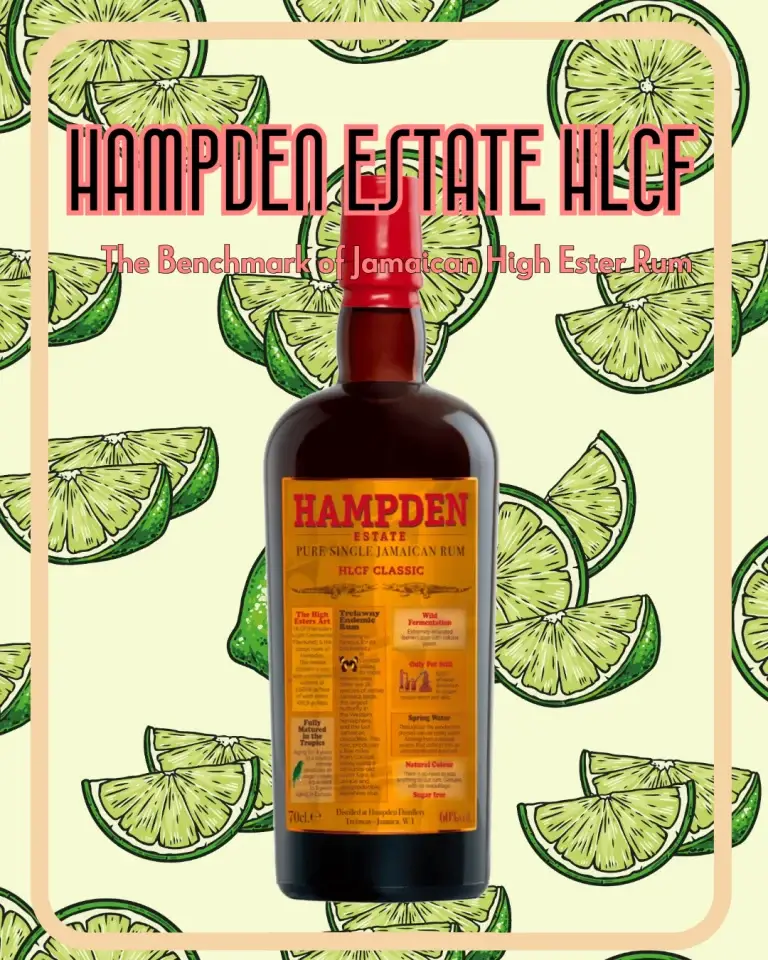
Typical of former British colonies such as Jamaica, Barbados, and Guyana. English-style are often heavy, fruity, and complex, known for their ester-rich aromas.
French Style / Rhum Agricole:
Produced in French overseas territories such as Martinique or Guadeloupe. Rhum Agricole is made directly from fresh sugarcane juice, which imparts grassy and floral notes.
Additives: what’s allowed
Since 25 May 2021, rum in the EU may contain a maximum of 20 g/L of added sugar and no added flavorings. Anything beyond that may only be sold as a “spirit drink based on rum”. Before that, the amount of sugar in some bottles was simply unknown, and independent measurements showed it could be far higher than people expected.
What Does Rum Taste Like?
Spanish Style:
Light & Elegant: Soft vanilla, caramel, white sugar
Subtle Fruit: Hints of banana, green apple
Smooth Finish: Minimal spice, clean mouthfeel
English Style:
Rich & Fruity: High‐ester notes of banana, pineapple, tropical fruit
Spicy & Complex: Clove, cinnamon, toasted oak Full-bodied
Finish: Warm, lingering sweetness
French Style / Rhum Agricole:
Herbal & Grassy: Fresh sugarcane, cut grass
Floral & Floral-Fruit: Jasmine, overripe melon
Mineral Finish: Clean, lingering vegetal note
A Brief History
As mentioned earlier, sugarcane started its journey as a source in Asia around the 5th century BC, probably near modern Papua New Guinea, and traveled then around the world. Fermented cane drinks existed in Asia more than 2000 years ago.
The History of Rum as we know it appeared in the 17th century, as a by-product of the sugar industry. Barbados is often described as the birthplace, although sources do not always agree. First written mention of “rumbullion” is dated around 1650, and by 1652 a visitor of Barbados reported that the whole island was producing rum everywhere. The origin of the name is still debated. The most likely candidates for the origin are Rumbullion or rumbustion, both words for uproar or brawl. in other words, to the direct effect of the alcohol: it made the drinkers wild, loud, and quarrelsome.
The Darkside of history that cannot be skipped. Rum was not just a drink. Rum was a both a product and currency in the transatlantic slave trade.
Between 1526 and 1866, an estimated 12.5 million people were forcibly taken aboard slave ships, and not everyone survived the sea crossing.
When Britain abolished slavery in its colonies in 1833, it paid £20 million in compensation. But this payment was not, as one might perhaps assume, for the enslaved people; rather, sadly, it went to the slaveholders. Rum also played a devastating role in trade with Indigenous peoples in North America.
Many distilleries today deal openly with this legacy, while others still lean on romanticized colonial imagery.
From 1655 the Royal Navy gave rum to its sailors. In 1740, Vice Admiral Edward Vernon ordered that the rum be diluted with water, the “grog” was developed, named after Vernon’s nickname, “Old Grog”. The daily rum ration was not abolished until July 31, 1970, a date that went down in history as “Black Tot Day.” Many sailors mourned the end with symbolic funerals for the rum or by wearing black armbands.
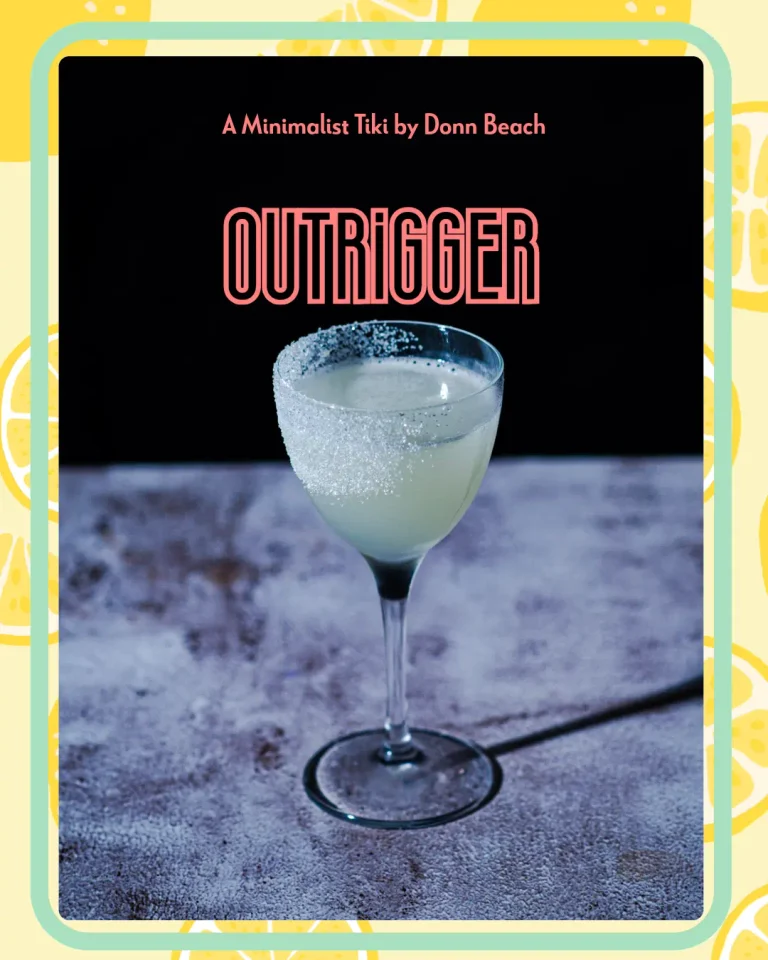
The 20th century brought further developments. During the era of Prohibition, “rum runners” (smugglers) and the rise of tourism to Cuba helped boost the profile and reach of rum. During the Second World War, Scotch became scarce, and American distilleries shifted their production toward industrial alcohol. The “Tiki” culture shaped significantly by figures like Don the Beachcomber and Trader Vic triggered a genuine rum boom. Through cocktails such as the Daiquiri, Mai Tai, and Piña Colada, rum became a symbol of the exotic and is still today.
In 2022, the craftsmanship involved in producing light rum in Cuba was added to the UNESCO Representative List of the Intangible Cultural Heritage of Humanity.
How Do You Drink Rum?
It can be enjoyed:
neat, mostly aged rums
in a highball like the Dark and Stormy
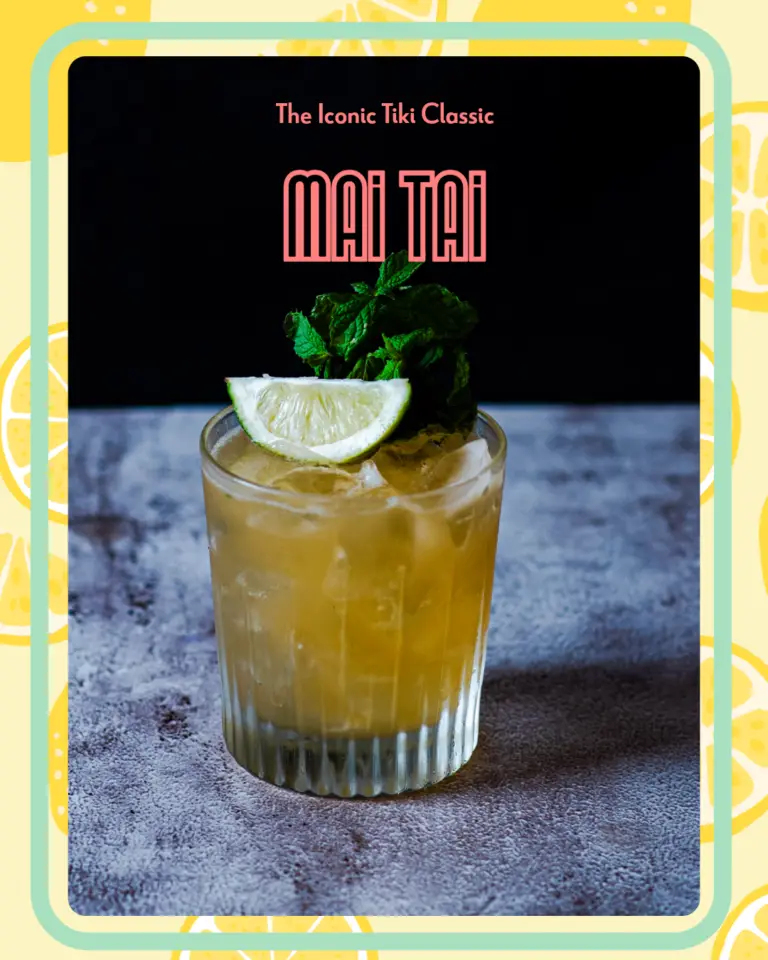
in a tiki cocktail like a Mai Tai
or a refreshing Daiquiri
How I Like to Drink Rum?
for the refreshment
Airmail – Rum, Lime, honey and sparkling wine
Queens Park Swizzle – refreshing but complexe, less minty but drier than a Mojito
Fish House Punch – Actually a peach ice tea for adults
for sipping
Corn’n’Oil – Kind of a spiced up rum old fashioned.
or just neat something funky or grassy can be just fine by drinking neat.
Final Thoughts
Rum has no single identity, and that is exactly what makes it interesting. Rum is not like Rum. Differences in production do not merely impart a specific style; they result in a distinct product. For someone who enjoys the lighter Spanish styles of rum, the English styles might offer an experience that is difficult to understand and vice versa.
The wide range of different flavors and characteristics found in rum is also evident in many tiki cocktails. In fact, creating the perfect tiki drink often requires not just one rum, but a blend of several precisely for this reason.